

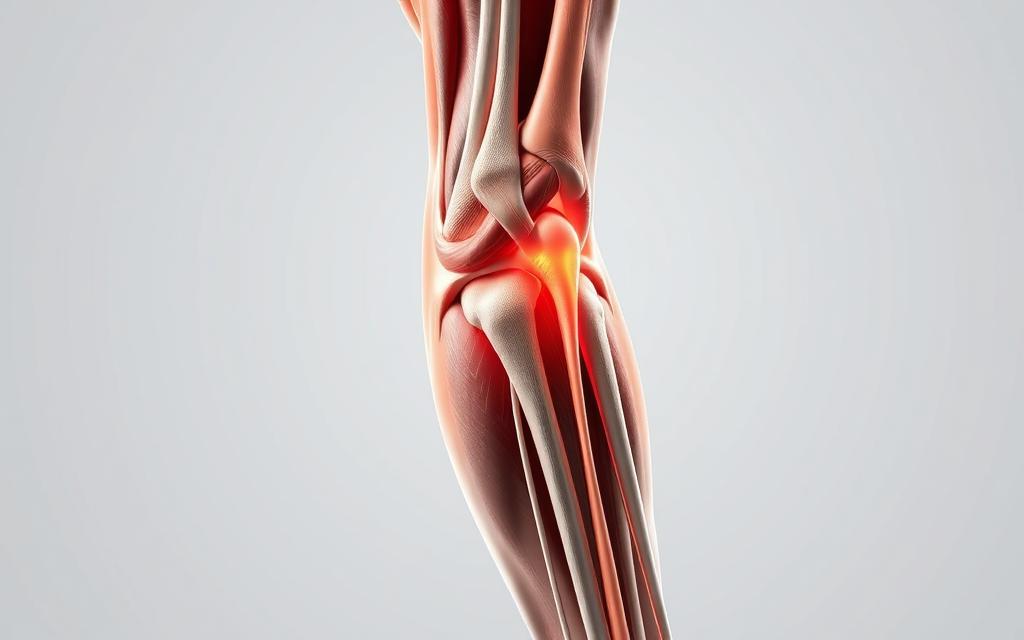
Imagine slipping on a wet floor or getting rear-ended at a stoplight. You walk away thinking you’re fine—until stiffness sets in weeks later. Muscle, tendon, and ligament damage often hides beneath the surface, creating challenges that linger long after an accident.
Sprains, strains, and whiplash might seem straightforward. But these injuries can disrupt daily life, affecting mobility and work. A twisted ankle from a fall might heal in weeks, but untreated ligament tears could lead to chronic pain. Car crashes frequently cause neck injuries that worsen over time without proper care.
Why does this matter? Insurance companies often downplay these injuries due to their invisible nature. Without documentation or expert guidance, victims risk losing compensation for medical bills or lost wages. Early action ensures evidence stays fresh and rights remain protected.
Key Takeaways
- Muscle and ligament injuries often appear minor but can have lasting effects.
- Common causes include car accidents, slips, and sports mishaps.
- Delayed symptoms may complicate insurance claims without timely documentation.
- Professional guidance helps navigate complex paperwork and negotiations.
- Understanding your options early maximizes recovery opportunities.
Understanding Soft Tissue Injuries
After a minor accident, many assume they’re unharmed—until persistent aches tell a different story. These hidden issues often involve muscles, tendons, or ligaments, which don’t always show immediate symptoms. Proper classification helps determine the right path to recovery.
Categories of Common Injuries
| Type | Description | Typical Recovery |
|---|---|---|
| Sprains | Overstretched or torn ligaments | 3-6 weeks |
| Strains | Damaged muscles or tendons | 2-8 weeks |
| Contusions | Deep bruises from impact | 1-4 weeks |
| Whiplash | Neck muscle strain from sudden motion | Weeks to months |
Life Disruptions and Healing Challenges
Limited arm mobility from a shoulder strain could make driving impossible. Back muscle tears might prevent lifting groceries or playing with kids. Jobs requiring physical activity often face major interruptions.
Delayed treatment risks long-term complications. For example, untreated whiplash may lead to chronic headaches. Detailed medical records become essential to track progress and justify care needs.
Recognizing the Symptoms and Diagnosis
Many people brush off minor discomfort after an incident, only to face worsening conditions days later. Spotting early warning signs is critical for effective treatment and protecting your rights.
Common Signs to Watch For
Subtle changes in your body often signal deeper issues. Look for:
- Persistent pain that worsens with movement
- Visible swelling or unusual warmth in affected areas
- Difficulty bending, lifting, or performing routine tasks
- Bruising that develops hours or days after an event
How Professionals Confirm Damage
Medical experts use advanced tools to uncover hidden problems:
| Test | Purpose | Detection Capability |
|---|---|---|
| X-ray | Rule out fractures | Bone structure analysis |
| MRI | Visualize ligament tears | Soft tissue detail |
| Ultrasound | Assess muscle strain | Real-time movement evaluation |
Getting checked within 48 hours creates a paper trail that connects symptoms to the triggering event. This documentation becomes vital when seeking fair compensation for recovery costs.
Common Causes of Soft Tissue Injuries
A sudden jolt during a routine drive or a misstep at work can trigger unexpected physical setbacks. These events frequently lead to strains, sprains, and other connective tissue issues that demand attention.
Automobile and Heavy Truck Collisions
Rear-end crashes at 25 mph generate enough force to whip necks forward violently. Data shows 62% of whiplash cases stem from vehicle impacts. Semi-truck accidents amplify risks—their massive weight creates crushing forces even at low speeds.
| Accident Type | Common Damage | Average Impact Force |
|---|---|---|
| Passenger Car Crash | Neck strain, back sprains | 2,500 lbs |
| 18-Wheeler Impact | Shoulder tears, spinal issues | 12,000 lbs |
| Low-Speed Collision | Knee ligament stress | 800 lbs |
Everyday Hazards at Work and Home
Wet floors cause 1 million emergency room visits yearly. A twisted ankle from spilled coffee might seem minor but could mask tendon inflammation. Construction sites and warehouses see frequent incidents—overreaching for tools or missed ladder steps often strain shoulder muscles.
Office workers aren’t immune. Repetitive typing motions account for 23% of wrist tendon cases reported annually. Proper documentation of these events helps establish clear timelines for recovery efforts.
legal advice for soft tissue injuries
Have you ever shrugged off a minor ache only to face mounting bills later? Insurers frequently dismiss claims involving muscle or joint damage, arguing symptoms are “too mild.” This approach leaves many accident survivors struggling to cover treatment costs.

Spotting Warning Signs Early
Delayed discomfort often signals hidden issues. If stiffness persists weeks after a car crash or slip, it’s time to act. Insurance adjusters may pressure you to accept lowball offers before full injury impacts emerge.
| Insurance Tactics | Your Risk | Action Steps |
|---|---|---|
| Quick settlement offers | Underpaid medical costs | Consult a lawyer |
| Disputing injury severity | Lost wage claims denied | Gather medical proof |
| Delayed response tactics | Missed filing deadlines | Document all communication |
Persistent pain after minor accidents often requires imaging tests to uncover deeper damage. Without expert guidance, victims might forfeit compensation for physical therapy or adaptive equipment.
Early consultation with an attorney ensures evidence stays intact. They’ll counter insurer strategies while calculating fair reimbursement for treatments and income loss. Don’t let delayed symptoms become financial burdens.
Navigating the Claims Process and Compensation
What happens when your body heals but bills keep piling up? Building a strong personal injury claim requires precise documentation and strategic planning. Missing critical steps could leave you covering costs that rightfully belong elsewhere.

Gathering Medical Records and Evidence
Start by collecting every medical report related to your case. This includes X-rays, MRI scans, and treatment plans. Doctors’ notes detailing restricted movement or pain levels strengthen your position against insurer pushback.
| Evidence Type | Purpose | Impact on Case |
|---|---|---|
| Imaging Results | Prove ligament/bone damage | High |
| Prescription Records | Show treatment duration | Medium |
| Physical Therapy Logs | Document recovery challenges | Critical |
Keep a daily journal tracking swelling flare-ups or missed workdays. Photos of visible bruises taken over time reveal healing patterns insurers can’t ignore.
Understanding Economic and Non-Economic Damages
Compensation covers two main categories:
| Economic | Non-Economic |
|---|---|
| Hospital bills | Chronic pain |
| Lost wages | Emotional distress |
| Rehab costs | Lifestyle limitations |
Insurers often lowball non-economic claims. A detailed pain diary illustrating how injuries affect sleep or hobbies counters this tactic. For severe cases involving bone fractures, future earning capacity becomes part of the calculation.
Submitting organized evidence within deadlines prevents claim denials. Partnering with professionals ensures no detail gets overlooked—from initial paperwork to final settlement talks.
Collaborating with Medical and Legal Professionals
When facing towering insurance firms, having the right allies turns battles into victories. A coordinated approach between specialists creates airtight cases that withstand scrutiny and maximize outcomes.
The Role of Injury Lawyers
Skilled attorneys decode complex policy language and counter lowball tactics. They secure 43% higher settlements on average by presenting evidence insurers can’t dismiss. For instance, a seasoned injury attorney might use traffic cam footage to prove a driver’s negligence caused whiplash in a rear-end collision.
Medical Partnerships Matter
Doctors map injury progression through measurable markers like reduced range motion. Therapists document how strains limit daily tasks—critical details for calculating fair compensation. See how experts contribute:
| Professional | Contribution | Case Impact |
|---|---|---|
| Orthopedist | MRI analysis of sprains | Proves severity |
| Physical Therapist | Range motion charts | Shows recovery hurdles |
| Vocational Expert | Earning capacity reports | Secures future costs |
After a warehouse accident, one team used ergonomic assessments to prove lifting restrictions justified $145,000 in lost wages. Rehabilitation logs also revealed hidden medical expenses insurers initially refused to cover.
This synergy transforms vague complaints into undeniable proof. While insurers focus on minimizing payouts, your team fights to restore what’s been taken—physically and financially.
Strategies for Strengthening Your Personal Injury Claim
What separates a winning claim from a denied one? Meticulous documentation transforms vague complaints into undeniable proof. Insurance companies scrutinize every detail—your preparation determines whether they prioritize speed over fairness.
Building an Ironclad Paper Trail
Start with a daily log tracking pain levels, mobility limits, and missed workdays. Note how tendon stiffness affects routine tasks like opening jars or climbing stairs. This creates patterns insurers can’t dismiss as “minor discomfort.”
| Documentation Type | Purpose | Impact |
|---|---|---|
| Treatment Journal | Records therapy sessions | Shows commitment to recovery |
| Photo Timeline | Visual proof of swelling | Counteracts “healed” assumptions |
| Wage Statements | Proves income loss | Secures economic damages |
Schedule weekly medical consultations even if symptoms improve. Physical therapists can measure range-of-motion progress, while orthopedists assess ligament repair. These reports validate the injury’s extent when settlement talks begin.
Never accept early offers without understanding Texas settlement processes. Adjusters bank on victims underestimating future costs—like ongoing treatment for partially torn tendons. Organized records force insurers to address real recovery timelines.
Attorneys use this evidence to calculate fair compensation. They’ll highlight how a shoulder strain from a vehicle accident limits your ability to drive long-haul routes. Comprehensive proof turns “your word vs theirs” into an undeniable narrative.
Conclusion
Navigating the aftermath of an accident requires both medical awareness and strategic action. Early documentation of pain patterns and physical limitations builds a foundation for fair compensation. Delayed symptoms like persistent swelling or reduced mobility often demand professional evaluation to uncover hidden damage.
Thorough evidence collection—from imaging results to therapy logs—transforms vague complaints into concrete proof. Partnering with specialists ensures accurate injury assessments while countering insurer attempts to minimize payouts. An experienced Wichita injury attorney can decode complex policies and calculate long-term recovery costs.
Time-sensitive decisions shape outcomes. Quick medical visits establish causation, while organized records protect against denied claims. Don’t let initial discomfort become a financial burden—proactive steps today secure tomorrow’s stability.
If another’s negligence caused your physical setbacks, seek guidance immediately. Knowledgeable professionals turn challenges into resolutions, ensuring you recover fully—physically and financially.






Leave a Reply