

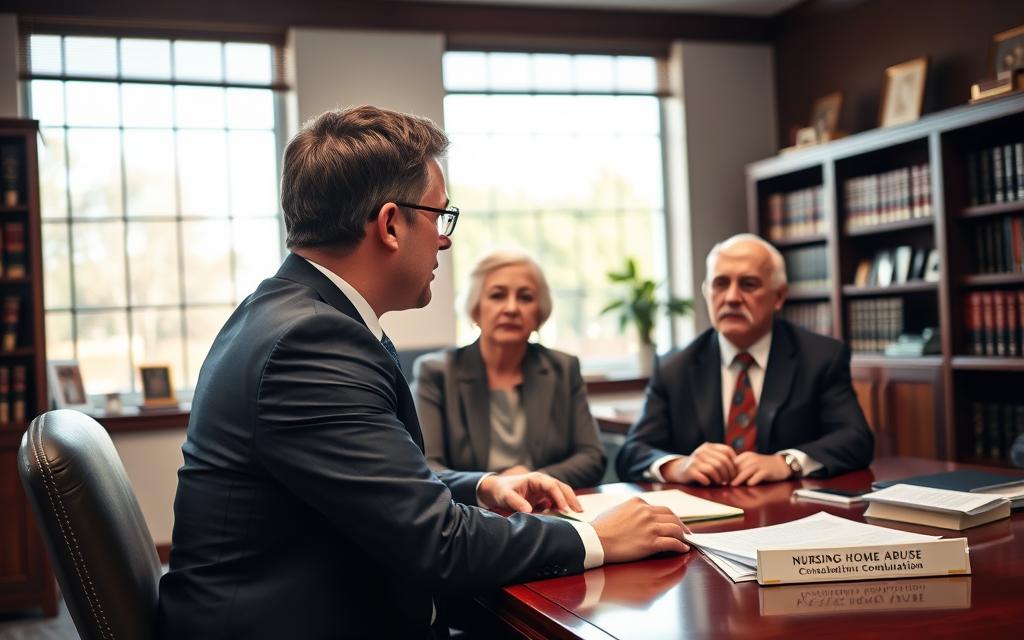
When families entrust a loved one to a care facility, they expect safety and dignity. Yet reports of neglect in North Carolina’s long-term care centers have surged, leaving many wondering: how do you recognize when care becomes harm? Immediate action isn’t just advisable—it’s critical for protecting vulnerable residents.
Specialized attorneys offer no-cost case evaluations to identify signs of mistreatment, from unexplained injuries to sudden emotional withdrawal. These professionals help families navigate complex legal pathways to hold facilities accountable. Delays can jeopardize evidence and compensation opportunities.
North Carolina’s aging population faces unique risks, with understaffing and regulatory gaps amplifying dangers. A swift response ensures documentation of violations while memories are fresh and records remain accessible. Legal experts also clarify rights often overlooked in admission agreements.
Key Takeaways
- Recognizing early signs of neglect prevents long-term harm
- State-specific laws in North Carolina impact case strategies
- Timely evidence collection strengthens compensation claims
- No-fee case reviews demystify legal options
- Facility contracts may contain hidden liability clauses
Understanding Nursing Home Abuse and Neglect in North Carolina
When care facilities fail to meet basic standards, families often face heartbreaking discoveries. Recent data shows over 65% of mistreatment incidents in residential care centers go unreported statewide. This gap leaves vulnerable individuals at risk without proper advocacy.
Red Flags Every Visitor Should Notice
Physical changes often signal trouble. Unexplained bruises, rapid weight loss, or repeated infections suggest possible neglect. Emotional shifts like sudden anxiety or withdrawal frequently accompany these physical markers.
Bedsores and poor hygiene also rank among top concerns in national studies. Cognitive decline may worsen if malnutrition or dehydration persists. Staff shortages – common in 40% of NC facilities – often correlate with these issues.
Lasting Consequences Beyond Physical Injuries
Victims experiencing prolonged mistreatment face doubled hospitalization risks according to CDC reports. Family members report lasting guilt when noticing warning signs too late. Financial strain from medical bills compounds emotional distress.
Legal professionals emphasize immediate reporting to preserve evidence. North Carolina’s 2-year statute of limitations demands swift action. Documenting changes in behavior or health creates crucial timelines for investigations.
One Raleigh case showed how daily visit notes helped prove dehydration-related organ failure. Proactive monitoring protects your loved one while strengthening potential claims. Early intervention often prevents irreversible harm to residents.
What to Expect During a nursing home abuse lawyer consultation
A legal consultation provides clarity and direction when concerns about a loved one’s care arise. This structured process helps families evaluate options while prioritizing safety and accountability.

Step-by-Step Consultation Process
- Initial Contact
Most firms respond within 24 hours to discuss case details. You’ll share basic information about the situation and receive guidance on evidence collection. - Evidence Review
An attorney examines medical records, facility contracts, and witness accounts. They identify violations of care standards or resident rights. - Strategy Development
Legal professionals outline potential actions, from settlement negotiations to litigation. You’ll receive clear explanations of timelines and possible outcomes.
Benefits of Acting Quickly
| Action | Impact | Time Factor |
|---|---|---|
| Immediate Documentation | Preserves critical evidence | Within 48 hours |
| Halting Ongoing Issues | Prevents further injury | First 7 days |
| Deadline Compliance | Meets filing windows | State-specific limits |
Delays can allow facilities to alter records or dispute claims. Legal teams work urgently to secure surveillance footage and staff logs before deletion. Families gain peace of mind knowing professionals handle complex paperwork and deadlines.
Experienced lawyers address emotional concerns while building strong cases. They explain how compensation might cover medical costs related to preventable injuries. Every discussion respects family boundaries while pursuing justice.
Legal Rights and Options for Victims and Families
State and federal laws create vital protections for those in residential care settings. These regulations ensure facilities meet safety standards while safeguarding residents’ dignity. When violations occur, families gain specific legal pathways to address harm and seek accountability.
https://www.youtube.com/watch?v=HHLCaCedVpg
Understanding Your Legal Entitlements
Residents have guaranteed rights under laws like the Older Americans Act and OBRA. These include proper medical care, freedom from restraint, and protection against neglect. Facilities failing these duties may face civil or criminal actions.
To prove negligence, four elements must exist: duty of care, breach of that duty, direct harm causation, and measurable damages. Families can pursue claims even if their loved one cannot communicate injuries verbally. Documentation of sudden weight loss or untreated bedsores often strengthens cases.
Types of Claims and Compensation Opportunities
| Claim Type | Legal Basis | Compensation Examples |
|---|---|---|
| Negligence | Failure to meet care standards | Medical bills, pain management |
| Personal Injury | Physical/emotional harm | Therapy costs, emotional distress |
| Wrongful Death | Fatal facility errors | Funeral expenses, loss of companionship |
Timely action preserves evidence like staff schedules or incident reports. An experienced attorney can identify hidden contract clauses that shift liability. Many recoveries also fund safety improvements to protect future residents.
North Carolina allows two years to file most claims, but earlier consultation improves outcomes. Compensation often addresses both economic losses and the emotional toll on families. Legal professionals prioritize stopping ongoing risks while securing fair resolutions.
How Our Firm Provides Compassionate Legal Guidance
Families facing uncertainty about a relative’s care deserve allies who prioritize people over paperwork. Our team combines legal expertise with genuine concern for those harmed in care facilities. We focus on restoring dignity while holding responsible parties accountable.

Our Approach to Caring for Your Loved One
Every case begins with listening. We schedule private meetings to understand your family’s unique story before reviewing documents. This human-first strategy helps us:
| Service | Benefit | Timeframe |
|---|---|---|
| Personalized Case Reviews | Identifies hidden patterns | 24-48 hours |
| Evidence Collection Teams | Secures facility records | Ongoing |
| Ongoing Client Support | Reduces family stress | Daily updates |
We partner with medical experts to interpret complex health records. Regular check-ins ensure your loved one receives proper care during proceedings.
Experience and Dedicated Support
With over a decade fighting elder abuse cases, our attorneys know how facilities hide mistakes. We’ve recovered compensation for:
- Malnutrition-related hospitalizations
- Medication errors by home staff
- Emotional trauma from isolation
Our paralegals handle paperwork so you can focus on healing. For help finding dedicated advocates, contact us before critical evidence disappears. Justice shouldn’t wait while home residents suffer.
Conclusion
Recognizing mistreatment in care settings demands both vigilance and decisive action. Unexplained injuries, emotional withdrawal, or sudden health declines signal immediate risks. North Carolina families possess legal tools to address these violations, but timing directly impacts outcomes.
A free case review unlocks critical insights into potential claims while preserving evidence. Legal teams analyze facility records, medical reports, and witness accounts to build actionable strategies. Delays risk lost documentation or fading memories that weaken cases.
Every successful resolution reinforces care standards and deters future neglect. Compensation often covers medical costs while holding institutions accountable for preventable harm. Our firm prioritizes swift interventions that protect residents’ dignity and safety.
If concerns arise about a loved one’s treatment, acting today safeguards their rights and well-being. Justice begins with a conversation—reach out now to explore next steps.






Leave a Reply