


What if the system designed to protect you suddenly feels like it’s working against you? When unexpected setbacks strike, many assume their insurance company will prioritize fairness. But what happens when that trust is broken?
Navigating a rejected request for coverage can leave anyone feeling overwhelmed. Policies often contain complex language, and insurers may use tactics that prioritize their interests over yours. This doesn’t mean you’re out of options—it means you need a clear roadmap.
Understanding your rights and the specifics of your agreement is critical. Many people discover hidden clauses or deadlines they didn’t know existed. With the right approach, you can challenge decisions effectively.
Key Takeaways
- Recognize common reasons for coverage disputes
- Learn how to decode policy details that impact your case
- Discover actionable steps to challenge unfair outcomes
- Identify when professional guidance becomes essential
- Prepare documentation to strengthen your position
This guide cuts through the confusion, offering practical strategies to regain control. Whether you’re dealing with medical bills or lost income, knowledge transforms frustration into empowered action.
Understanding the Landscape of Denied Injury Claims
When seeking compensation after an unexpected event, many find themselves navigating a maze of paperwork and policy details. Initial optimism often fades when facing rigid processes that prioritize technicalities over individual circumstances.
Context and Challenges Faced by Claimants
Submitting a request for coverage often reveals hidden hurdles. Missing deadlines or incomplete accident reports can derail cases before they gain momentum. Many individuals struggle with unclear medical documentation requirements or witness statements that lack specificity.
Policyholders frequently discover critical exclusions only after rejection. Language like “pre-existing conditions” or “non-covered events” creates confusion. These gaps highlight why understanding your agreement’s fine print matters from day one.
Overview of Insurance Company Practices
Providers follow strict protocols when evaluating requests. Adjusters cross-reference submitted evidence against policy terms, often requiring multiple verification steps. Timelines for submitting paperwork are enforced rigorously, leaving little room for error correction.
The first step after rejection should always involve a detailed review of the denial letter. Look for cited policy sections and compare them with your records. This comparison often reveals whether the decision stems from misunderstandings or legitimate contractual limitations.
Common Reasons Insurance Claims Get Denied
Understanding why requests for compensation fail often starts with recognizing preventable mistakes. Even straightforward cases face hurdles when critical details slip through the cracks.
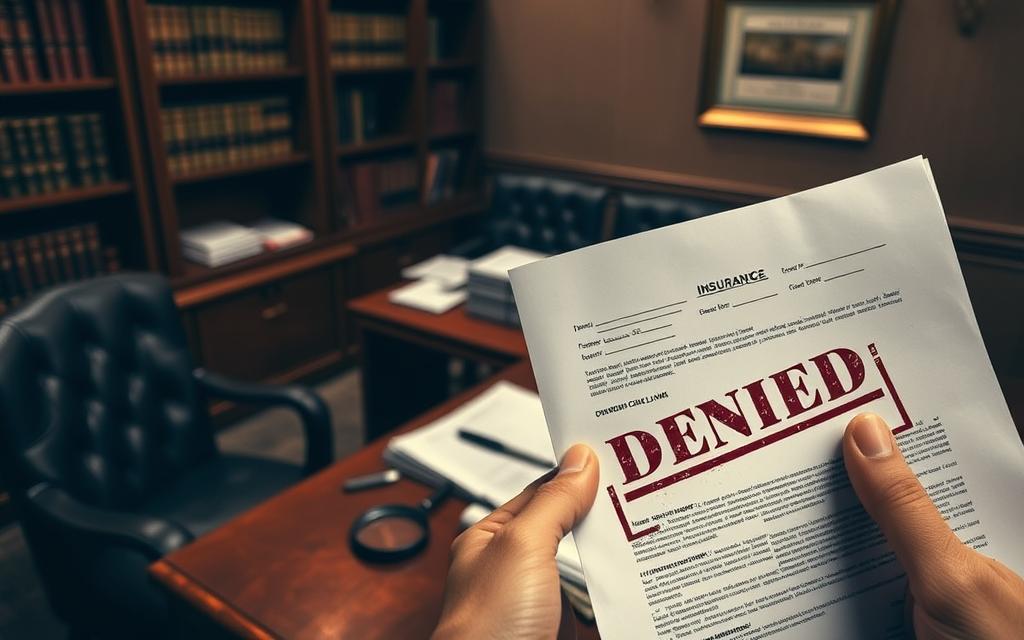
Lack of Coverage and Policy Exclusions
Many discover their insurance policy doesn’t cover specific scenarios only after filing. Natural disasters, certain types of accidents, or elective procedures often fall under exclusions. Missed premium payments can also void protection, leaving gaps when they’re needed most.
Reviewing your agreement’s fine print helps identify these limitations early. Phrases like “acts of God” or “high-risk activities” frequently trigger denials. Documentation errors compound the issue—a single unsigned form can derail approval.
Filing Errors, Late Reporting, and Pre-Existing Conditions
Delays in notifying providers about an accident create immediate red flags. Most policies require prompt reporting, often within 48 hours. Incomplete medical records or vague witness statements weaken evidence, making it easier for adjusters to deny claims.
Pre-existing health issues present another challenge. Providers may argue current injuries relate to past conditions unless clear medical proof exists. Submitting detailed timelines and specialist evaluations strengthens your position against these disputes.
Steps to Challenge a Denied Insurance Claim
A rejected insurance claim isn’t the end—it’s a call to reassess and strengthen your case. Start by examining the official response thoroughly. Look for specific reasons cited, such as incomplete forms or policy exclusions.
Cross-referencing these points with your original agreement often reveals discrepancies. This process transforms confusion into actionable insights for your next steps.
Reviewing the Denial Letter and Policy Details
Scrutinize every detail in the provider’s decision notice. Highlight sections referencing coverage limitations or procedural errors. Compare these with your policy’s terms—phrases like “excluded events” may hold the key to your next move.
If the denial cites lack of proof for an injury, request detailed medical reports. Identify inconsistencies between the stated reasons and your coverage entitlements.
Gathering Additional Evidence and Correcting Errors
Strengthen your position by gathering additional materials like timestamped photos or specialist evaluations. Secure signed statements from witnesses confirming key details about the incident.
Organize these documents chronologically and submit them with a formal appeal request. Track all communication meticulously—this creates a paper trail supporting further action if needed.
insurance denied injury claim help: Navigating Your Options
A denial is just the first hurdle; the right strategy can open doors you didn’t know existed. Policyholders often discover multiple paths forward when armed with accurate information and organized evidence.
Appealing the Denial
Start by requesting your provider’s internal review process. Submit a written request within their deadline, attaching updated medical records or expert opinions. One recent case saw a reversed decision after the claimant included timestamped photos proving property damage timelines.
Track every submission using certified mail or email receipts. Create a checklist of required documents to avoid oversights. This proactive approach demonstrates seriousness and attention to detail.
Exploring Alternative Dispute Resolution
Mediation offers a faster, less adversarial way to resolve disagreements. Neutral third parties help both sides negotiate fair agreements without court costs. Arbitration decisions are binding but often conclude in weeks rather than months.
| Method | Timeframe | Cost | Outcome Control |
|---|---|---|---|
| Internal Appeal | 30-60 days | Low | Partial |
| Mediation | 2-4 weeks | Moderate | Shared |
| Arbitration | 3-6 weeks | High | Limited |
Consulting a personal injury lawyer becomes critical when facing complex policy language or delayed responses. Legal professionals often secure higher compensation by identifying procedural errors or bad faith tactics.
Effective Communication with the Insurance Company
Clear communication transforms uncertainty into actionable solutions. Documented exchanges create a protective layer against misunderstandings while building a foundation for resolution. Every interaction matters—from initial inquiries to formal appeals.

Requesting Written Explanations
Always ask for written responses when discussing case details. Verbal promises hold little weight compared to dated letters or emails. A provider’s explanation for delays often reveals patterns that strengthen your position.
For example, if a company cites missing paperwork, request specifics. Compare their list with your records to identify gaps. This approach turns vague objections into solvable problems.
Keeping Detailed Records and Correspondence
Create a dedicated folder—digital or physical—for all case-related materials. Track every call with notes containing:
- Date and time of conversation
- Representative’s full name
- Key points discussed
Organize witness statements chronologically, highlighting consistent details. Use timestamps for photos or videos to establish event sequences. These steps transform scattered information into compelling evidence.
Meticulous records expose procedural errors during appeals. They also streamline legal reviews if disputes escalate. Consistency in documentation often determines outcomes more than the incident itself.
When to Consult a Personal Injury Attorney
Navigating legal challenges alone can feel like deciphering a foreign language without a translator. Complex policy terms and shifting deadlines create pitfalls even for careful individuals. Recognizing when professional guidance becomes essential often determines whether fairness prevails.

Assessing the Need for Legal Intervention
Persistent delays or vague explanations from providers signal deeper issues. If adjusters dismiss medical reports without clear reasons, or if settlement offers seem unreasonably low, it’s time to act. Multiple denied appeals or requests for unrelated documents also warrant concern.
Free consultations allow attorneys to evaluate your case’s merits quickly. They spot violations like missed response deadlines or ignored evidence. One client recovered damages after their attorney proved a provider misapplied policy exclusions.
How an Attorney Can Strengthen Your Appeal
Legal teams reconstruct timelines using accident reports and witness testimonies. They secure specialist evaluations to counter “pre-existing condition” arguments. In one motorcycle collision case, an injury lawyer obtained surveillance footage proving the other driver’s fault.
Attorneys draft demand letters that outline violations and compensation requirements. They negotiate directly with adjusters, often securing higher settlements than self-represented claimants. Their knowledge of state laws ensures all recoverable losses—including future medical costs—get addressed.
Understanding the Impact of Delayed Insurance Claims
Time-sensitive decisions often separate financial recovery from prolonged hardship. Delays in resolving cases create ripple effects—unpaid medical bills can lower credit scores, while prolonged physical recovery may limit earning capacity. Immediate action preserves evidence and legal rights.
Timelines and Legal Requirements
States enforce strict deadlines for providers to acknowledge and process cases. For example:
- California requires initial responses within 15 days
- Texas mandates final decisions within 35 business days
- New York penalizes companies $50/day for unjustified delays
In car accident scenarios, waiting too long to notify providers risks witness memories fading. A missed 30-day reporting window in Florida automatically voids coverage eligibility. Always request written confirmation when submitting documents—email timestamps often prove crucial during disputes.
| State | Response Deadline | Penalty for Delay |
|---|---|---|
| California | 40 days | 2% interest/month |
| Illinois | 21 days | $100/day after 45 days |
| Florida | 14 days | Case reopening allowed |
Providers who deny claims due to late paperwork often face scrutiny if claimants prove timely submission. A follow-up letter sent via certified mail forces companies to address issues formally. In one recent case, a car accident victim reversed a denial by producing text receipts showing immediate notification.
Gathering Evidence to Support Your Personal Injury Case
Solid proof transforms uncertainty into undeniable facts when seeking fair outcomes. Every detail matters—from visible injuries to timestamps that reconstruct events. Organized documentation bridges the gap between frustration and resolution.
Documenting Injuries, Witness Statements, and Photos
Photographs of visible injuries should include date stamps and location markers. Capture multiple angles to show progression over time. For accidents, take pictures of vehicle damage or environmental hazards immediately.
Witness accounts add credibility to your timeline. Secure contact information and written statements quickly—memories fade. Ask open-ended questions like “What did you see first?” to gather precise details.
- Medical records showing treatment dates
- Police reports with official incident codes
- Time-stamped photos of accident scenes
The Role of Expert Testimonies and Medical Records
Specialist evaluations turn subjective pain into measurable data. Orthopedic surgeons or physical therapists can link injuries directly to specific events. Their reports often counter arguments about pre-existing conditions.
| Evidence Type | Purpose | Impact Level |
|---|---|---|
| Medical Imaging | Prove injury severity | High |
| Accident Reconstruction | Establish fault | Critical |
| Employment Records | Show income loss | Moderate |
Organize all materials in labeled folders—digital and physical copies. Create a master timeline linking medical visits to insurance correspondence. Those who master personal injury law strategies often see faster resolutions with better outcomes.
Conclusion
Facing unexpected obstacles requires both knowledge and decisive action. Common roadblocks like policy gaps, missed deadlines, or incomplete evidence often derail cases before they gain momentum. Thoroughly reviewing your denial letter and comparing it with policy terms reveals whether misunderstandings or legitimate limitations caused the outcome.
Challenging unfavorable decisions demands organized documentation and swift responses. Collect timestamped photos, witness accounts, and expert evaluations to build an undeniable timeline. Many find that professional guidance transforms complex disputes into manageable processes.
Time-sensitive decisions impact your ability to recover losses. Delays risk fading memories or lost evidence. Consult an attorney if providers dismiss medical reports without clear reasons or offer unreasonable settlements.
Take control by exploring all options today. Schedule a consultation to review your case details and pursue the compensation you deserve. Knowledge paired with action remains your strongest ally in achieving fair resolutions.






Leave a Reply