


Every day, thousands of professionals face risks in high-risk work environments. From falls to equipment malfunctions, these incidents can leave lasting impacts. Yet, many don’t know their rights or how to navigate the aftermath effectively.
Workplace hazards aren’t limited to minor scrapes. Severe accidents often lead to life-altering consequences, making it critical to act swiftly. Knowing the right steps—from medical care to legal guidance—can protect your future.
This guide breaks down the process clearly, with insights from firms like The Ted Law Firm and The Barnes Firm. You’ll learn how to document incidents, gather evidence, and pursue fair outcomes. We’ll simplify complex legal terms into actionable advice.
Key Takeaways
- Workers in high-risk industries face diverse hazards requiring immediate action.
- Proper documentation strengthens cases for fair resolutions.
- Legal experts play a vital role in navigating complex processes.
- Timely medical attention is crucial for health and case validity.
- State laws influence deadlines and eligibility for financial recovery.
Whether you’re a laborer or supervisor, understanding these protocols ensures no one faces uncertainty alone. Let’s explore how preparation meets protection.
Understanding Construction Site Injuries
Work zones with heavy machinery and elevated tasks create unique challenges. Over 20% of all workplace fatalities occur in these environments, according to OSHA reports. Recognizing patterns helps prevent recurring issues.
Common Types of Physical Harm
Falls from heights account for 33% of serious incidents. Electrocutions often occur near unfinished wiring. Machinery malfunctions lead to crush injuries or amputations. Even minor cuts risk infection without proper care.
Environmental and Operational Dangers
Unstable surfaces increase slip risks. Exposure to toxic substances like asbestos requires specialized handling. Time pressures sometimes override safety checks, creating preventable hazards.
Proper training reduces incident rates by 60%. Documentation like incident reports and witness statements strengthens cases. Immediate medical attention ensures accurate injury records.
Immediate Steps After a Construction Injury
When an unexpected incident occurs, prioritizing safety and protocol is essential. Acting quickly helps prevent escalation and preserves crucial details needed for accountability. Follow these guidelines to protect yourself and your rights.

Ensuring Safety and Reporting Incidents
First, stop work and secure the area. Alert nearby coworkers to avoid additional harm. If possible, take photos of hazards like uneven surfaces or malfunctioning equipment. These visuals become vital evidence later.
Notify your employer within 24 hours. State laws often require written reports for workers compensation eligibility. Delays could weaken your case. Include specifics: date, time, and witnesses.
Seek medical care immediately, even for minor issues. Hidden injuries like concussions or internal bleeding may surface later. Clinics document your condition, linking it directly to the accident.
| Worker Responsibility | Employer Duty | Deadline |
|---|---|---|
| Report incident verbally | Provide incident report form | 24-48 hours |
| Submit medical records | File insurance paperwork | 7-30 days |
| Identify witnesses | Preserve site evidence | Immediately |
Gather contact information from coworkers who saw what happened. Their accounts support your version of events. Employers must maintain safe conditions, but thorough documentation ensures no detail is overlooked.
Following these steps strengthens workers compensation claims and helps secure fair resolutions. Proactive measures today prevent disputes tomorrow.
Navigating Workers Compensation and Legal Rights
Securing fair treatment after workplace incidents requires understanding both financial support systems and legal obligations. Employers and insurers often follow strict protocols, making knowledge your strongest ally.
Understanding Employers’ Responsibilities
Companies must provide safe environments under OSHA guidelines. This includes regular maintenance of tools and machinery. Key duties involve:
- Supplying protective gear for hazardous tasks
- Training teams on emergency procedures
- Reporting incidents to state agencies within deadlines
Failure to meet these standards can lead to penalties. For example, unresolved equipment defects causing harm may trigger liability under workplace safety law.
The Role of Insurance and Medical Documentation
Most states require employers to carry workers compensation coverage. This insurance typically covers:
- Emergency care and ongoing treatments
- Partial wage replacement during recovery
- Rehabilitation services for severe injuries
Keep every medical record—from initial diagnoses to therapy notes. These documents prove the severity of your case and link health issues directly to workplace events. Missing paperwork often delays approvals or reduces settlement offers.
Specialized attorneys help when insurers dispute claims or faulty equipment complicates cases. They ensure deadlines under state law are met while negotiating fair compensation.
Filing a Construction Site Injury Compensation Claim
Navigating the aftermath of a workplace accident requires precise actions to secure rightful support. Properly submitting paperwork ensures access to critical benefits while protecting your legal options. Missing deadlines or incomplete forms can delay recovery or reduce settlements.

Step-by-Step Claim Filing Process
- Report Immediately: Notify supervisors within 24 hours. State-specific rules often require written notice for workers compensation eligibility.
- Collect Evidence: Take photos of hazards, gather witness contacts, and save medical reports linking treatment to the incident.
- Submit Forms: Complete state-mandated paperwork like Form DWC-1 (California) or equivalent. Keep copies for your records.
| Step | Deadline | Required Documents |
|---|---|---|
| Initial Report | 24-72 Hours | Employer Incident Form |
| Medical Evaluation | 7 Days | Doctor’s Assessment |
| Final Submission | 30-90 Days | Completed Claim Packet |
If negligence contributed to the accident—like faulty equipment—you might pursue a personal injury claim alongside standard benefits. This dual approach requires separate filings but can increase financial recovery.
Track all correspondence with insurers. Delays often occur if forms lack signatures or medical records. Legal experts like The Ted Law Firm help navigate overlapping requirements while avoiding common errors like missed deadlines.
Maximizing Your Compensation: Beyond Workers Compensation
While workers’ compensation provides essential support, severe incidents often demand further action to address lasting financial burdens. Many face ongoing medical expenses or reduced earning capacity that standard benefits don’t fully cover. Exploring additional options ensures you’re not left vulnerable.
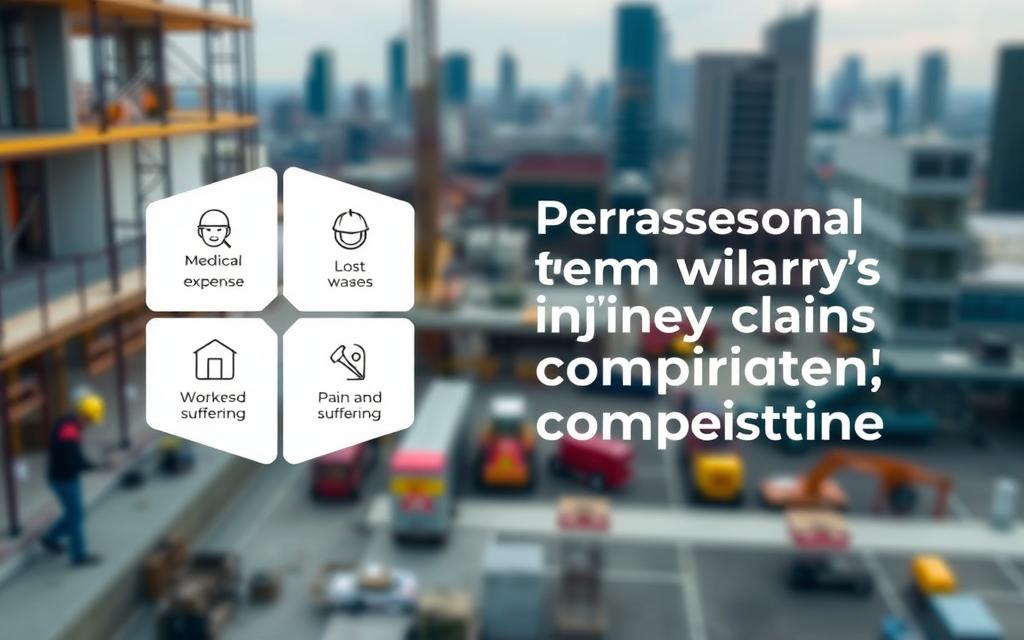
Pursuing Personal Injury Claims and Additional Damages
If negligence contributed to your situation—like faulty equipment or unsafe protocols—you might qualify for a personal injury case. Unlike standard benefits, these cases can recover damages for pain, suffering, and future costs. For example, a worker exposed to toxic materials secured $1.2 million for lifelong treatments through such a claim.
Key differences between workers’ comp and personal injury claims:
| Aspect | Workers’ Comp | Personal Injury |
|---|---|---|
| Coverage | Immediate medical bills | Long-term impacts |
| Eligibility | No fault required | Proven negligence |
| Damages | Partial wages | Full lost earnings |
When to Consult a Construction Accident Attorney
An experienced accident lawyer becomes critical if:
- Your employer disputes the incident’s cause
- Third-party equipment failures occurred
- You’ve reached maximum workers compensation benefits but still need care
Attorneys identify overlooked opportunities, like suing manufacturers for defective tools. They also negotiate with insurers who undervalue injuries. Early consultation preserves evidence and deadlines, strengthening your position for fair compensation.
Conclusion
Workplace incidents can alter lives in moments, but knowledge transforms outcomes. Understanding your rights ensures you’re prepared to act when hazards disrupt your livelihood. From securing medical records to meeting legal deadlines, each step builds toward fair resolutions.
If employers or insurers challenge your case, consult an experienced attorney immediately. Specialized lawyers identify hidden opportunities—like third-party negligence claims—while protecting against lowball offers. They turn complex paperwork into actionable strategies.
Every professional deserves full recovery for lost wages, treatment expenses, and lasting impacts. Firms like The Barnes Firm have secured millions for injured teams through relentless advocacy. Don’t let uncertainty dictate your future.
Take charge today. Document every detail, preserve evidence, and seek expert guidance. Your safety and stability matter—ensure no one overlooks them.






Leave a Reply