


Did you know that acting too quickly after a collision could slash your compensation by thousands? Many assume immediate settlements are the safest path, but Driver Knowledge reports 40% of victims who rush this process lose up to 70% of their entitled payout. This guide reveals how to avoid common pitfalls and secure what you deserve.
Whether you’re navigating insurance demands or weighing legal support, understanding your options is critical. Recent Forbes analyses show that structured negotiations often yield 3x higher payouts than hurried agreements. We’ll walk through time-sensitive steps—like gathering evidence and medical documentation—to strengthen your position.
You’ll also learn when self-advocacy works and when expert counsel becomes essential. For instance, cases involving disputed liability or severe injuries typically require professional intervention. Real-world examples illustrate how preparation and patience shape outcomes.
Key Takeaways
- Acting hastily after an incident often reduces potential compensation.
- Thorough documentation increases leverage during negotiations.
- Timing plays a pivotal role in settlement discussions.
- Self-representation can succeed in straightforward cases.
- Complex scenarios usually demand professional legal guidance.
- State laws significantly influence claim strategies.
Introduction: Navigating Your Car Accident Injury Claim Process
Understanding the path forward after a collision involves more than just filing paperwork. Every decision shapes your ability to recover losses—from medical bills to income disruptions. This section outlines how to move strategically through each phase while avoiding missteps that reduce settlements.
- Immediate actions: Reporting to authorities and insurers within state deadlines
- Evidence collection: Photos, witness statements, and medical records
- Long-term planning: Tracking ongoing treatments and financial impacts
Timely documentation proves vital. Insurers often challenge gaps in medical reports or delayed notifications. For example, 33% of disputed cases involve incomplete proof of treatment timelines according to recent legal analyses.
Your approach should balance urgency with precision. While minor incidents might allow self-management, complex scenarios—like multi-vehicle collisions or disputed fault—typically demand professional guidance. State laws further influence deadlines and compensation caps, making localized knowledge essential.
Later sections will detail how to handle negotiations, assess damages, and decide when to involve attorneys. For now, focus on building a foundation: accurate records, clear communication, and awareness of rights.
Immediate Steps After a Car Accident
The moments following a collision demand clear priorities to protect both health and legal rights. Focus first on safety, then shift to preserving critical details that could influence your recovery options. Acting methodically during this stressful period helps establish credibility and strengthens your position.

Ensuring Safety and Calling Emergency Services
Check yourself and others for visible harm. Even minor discomfort should prompt a 911 call—some injuries surface hours or days later. Move vehicles to safer areas if possible, but avoid disturbing the scene until authorities arrive.
Paramedics can document early symptoms, creating vital links between the event and medical attention received. This step often determines how insurers assess causation in later stages.
Documenting the Scene and Gathering Evidence
Use your phone to take photos from multiple angles. Capture vehicle positions, skid marks, and traffic signs. These visuals counter conflicting accounts about how events unfolded.
Collect names and contact details from witnesses before they leave. Request a copy of the police report—it serves as neutral evidence when reconstructing timelines. Store all records digitally to prevent loss or damage.
Car Accident Injury Claim Tips for Maximizing Compensation
Strategic documentation can turn vague estimates into concrete demands. Start by listing every expense—from ambulance fees to physical therapy sessions. Future needs like ongoing treatments or reduced earning capacity should also factor into your total.
A demand letter to insurers requires precision. Use numbered lists for medical bills and attach receipts for out-of-pocket costs. Forbes notes these letters succeed 58% more often when they include timeline charts showing how injuries impacted daily life.
Negotiation thrives on evidence. Counter low offers with repair estimates and pay stubs proving income loss. If insurers dispute your figures, third-party appraisals add credibility. Always keep copies—digital backups prevent “lost paperwork” delays.
Self-representation works for clear-cut cases with minor impacts. However, complex scenarios involving permanent disabilities often require lawyer help. Modern tools like AI contract reviewers can assist, but human expertise navigates nuanced state laws better.
Never accept initial offers blindly. Insurers frequently test claimants’ awareness of long-term costs. Push for settlements covering future surgeries or adaptive home modifications. Patience here often yields 20-40% higher payouts according to legal aid studies.
Final tip: Track every communication with adjusters. Dates, summaries, and follow-up reminders create accountability. This paper trail strengthens your position if disputes escalate.
Assessing Your Damages and Medical Needs
Accurate damage assessment forms the backbone of any successful recovery effort. Beyond visible costs like ambulance rides, hidden financial strains often emerge weeks later. A 2023 Johns Hopkins study found claimants who tracked both physical and emotional impacts secured 27% higher settlements than those focusing solely on immediate bills.
Evaluating Immediate and Future Medical Expenses
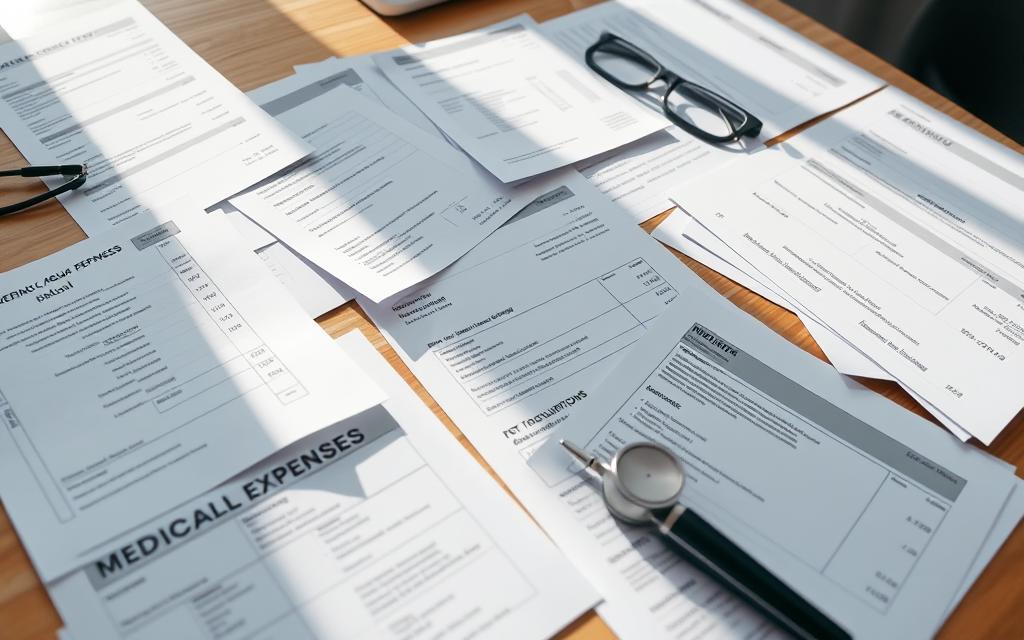
Request comprehensive evaluations from specialists within 72 hours. Early MRIs or nerve tests create baseline records linking treatment to specific injuries. Save every receipt—even ice packs or mileage to appointments count as reimbursable expenses.
Project future needs using your doctor’s prognosis. Physical therapy schedules or anticipated surgeries should appear in written estimates. These projections help insurers understand the long-term financial impact of your situation.
Tracking Lost Wages and Emotional Impact
Document income loss through pay stubs and employer letters. Include missed promotions or reduced work hours caused by recovery time. For self-employed individuals, tax returns and client contracts prove earning potential.
Journal daily struggles like anxiety or sleep disturbances. While harder to quantify, these entries strengthen claims for pain and suffering damages. Therapists’ notes add professional validation to personal accounts.
Organize evidence chronologically using spreadsheets or apps. Clear timelines prevent insurers from disputing how medical expenses relate to the original incident. This approach turns scattered details into a compelling financial narrative.
Documenting and Reporting the Accident
Precision in documentation often determines whether cases succeed or stall. Missing details or delays can weaken even strong positions. Follow these guidelines to build an unshakable foundation for recovery efforts.

Gathering Insurance, Witness, and Police Report Information
Start by collecting contact details from all involved parties. Names, phone numbers, and policy numbers matter. Use your phone to photograph licenses, vehicle plates, and insurance cards immediately.
Secure witness accounts while memories remain fresh. Ask bystanders to describe what they saw in their own words. Note their location during the event—this helps verify perspectives later.
| Document Type | Key Details | Deadline |
|---|---|---|
| Police Report | Officer name, badge number, incident number | Within 24-72 hours |
| Witness Statements | Full contact info, written summaries | Before leaving scene |
| Insurance Forms | Policyholder name, coverage limits | As soon as possible |
Importance of Timely Reporting to Insurance and Authorities
Notify insurance companies within 48 hours. Delays give adjusters reasons to question validity. Most policies require prompt notification—missing deadlines risks denied claims.
Create a communication log tracking every call or email. Include dates, names, and summaries. This record prevents “he said, she said” conflicts during negotiations.
State laws set strict time limits for filing reports. For example, Florida requires crash submissions within 10 days if injuries occur. Check local regulations to avoid procedural missteps.
Organize all materials in a dedicated folder—digital or physical. Clear timelines and thorough records leave little room for disputes. This preparation strengthens your position when seeking fair resolutions.
Navigating the Claims Process and Working With Insurance
Many people underestimate how policy details shape financial recovery after an incident. Knowing the sequence of steps—and deadlines—can mean the difference between full compensation and missed opportunities. Let’s break down what matters most.
Understanding Your Policy, Deadlines, and Limitations
The process starts with filing a report. Insurers typically require initial contact within 1-7 days. Missing this window gives them grounds to question validity. Always check your policy for specific timelines.
Next comes evidence submission. Medical records, repair estimates, and income statements build your case. Insurers often request these within 30 days. Delays here risk reduced payouts.
| Step | Key Actions | Typical Deadline |
|---|---|---|
| Initial Filing | Notify insurer, submit basic details | 48 hours |
| Evidence Collection | Gather bills, photos, witness accounts | 14-30 days |
| Negotiation Phase | Review offers, counter low settlements | 60-90 days |
Policy limits cap what insurance companies must pay. For example, a $50k bodily injury limit won’t cover $75k in medical bills. Check your coverage—and the other party’s—early.
Adjusters sometimes use rushed offers or vague language to minimize payouts. Counter by requesting written explanations of denials. A lawyer can spot loopholes in complex policies.
State laws add another layer. California allows two years to file lawsuits, while Tennessee gives just one. Local rules directly impact strategy.
Keep communication clear and documented. Emails beat phone calls for creating records. This protects against “misunderstanding” claims later.
When and How to Seek Legal Assistance
Deciding whether to involve legal professionals often hinges on case complexity and potential recovery amounts. While minor incidents may seem manageable alone, certain situations demand specialized expertise. Research shows claimants with severe physical harm recover 42% more when represented by skilled advocates.
The Role of a Personal Injury Attorney in Your Claim
Attorneys become critical when liability disputes arise or multiple parties share fault. They interpret medical reports to connect treatments with collision impacts—a task insurers often challenge. Legal teams also negotiate with adjusters who routinely lowball unrepresented claimants.
One client secured $120k instead of an initial $35k offer after their personal injury attorney uncovered hidden policy limits. Such outcomes highlight how professional intervention transforms results.
Evaluating Lawyer Support Versus Self-Representation
Self-filing works for clear-cut cases with minor damages. However, consider consulting an injury attorney if:
- Injuries require surgery or long-term care
- Multiple insurance policies apply
- Disputes over fault percentages emerge
Most lawyers work on contingency—you pay only if they win. This model often justifies their 33% fee, especially when settlements grow substantially. For example, one firm increased a client’s recovery from $15k to $90k by presenting evidence the claimant hadn’t considered.
Even brief consultations clarify rights. Many attorneys offer free case reviews to assess whether court action could yield better results than insurer negotiations. This step helps avoid costly missteps while preserving options.
Negotiating a Fair Settlement
Crafting a compelling demand letter often separates successful negotiations from stalled discussions. Start by outlining every loss in precise terms—medical bills, lost income, and emotional strain. Measurable details like “42 physical therapy sessions at $150 each” carry more weight than vague statements.
Building an Irrefutable Demand Package
Include itemized lists for all expenses. Attach invoices, pay stubs, and repair estimates. Highlight how pain and suffering disrupted routines—like missed family events or canceled vacations. Use timelines to show the direct impact of injuries on daily activities.
Countering Insurance Tactics Effectively
Adjusters often start with offers covering only 30-50% of your documented losses. Respond by presenting comparable settlement cases from your state. For example, one claimant doubled their payout by submitting auto repair quotes from three certified shops.
| Insurance Offer | Counter Strategy | Outcome |
|---|---|---|
| $12,000 (medical only) | Added $8k for lost wages + $15k emotional distress | $35k final agreement |
| $25,000 (vehicle + bills) | Included future surgery estimate + rental car fees | $48k after two rounds |
| $7,500 initial proposal | Used police report to prove liability gaps | $22k via negotiation without professional assistance |
Document every interaction. Note dates, adjuster names, and unresolved points. This log becomes crucial if talks stall and lawyer help becomes necessary.
Always request written explanations for denied items. Insurers must clarify objections—use these gaps to strengthen your rebuttals. Finalize agreements only after reviewing all terms with a trusted advisor.
Avoiding Common Pitfalls in Injury Claims
Mistakes made in the initial stages can derail even the strongest cases. Many individuals unknowingly weaken their positions by overlooking critical steps or reacting impulsively. Awareness of these traps helps maintain control over outcomes.
Identifying and Preventing Critical Mistakes
Three errors frequently sabotage recovery efforts:
- Premature admissions: Phrases like “I’m sorry” or “It was my fault” can shift liability unfairly, even if circumstances remain unclear.
- Delayed reporting: Waiting over 48 hours to notify insurers often triggers skepticism about damage severity.
- Incomplete evidence: Missing witness contacts or unfiled police reports create gaps adversaries exploit.
One case involved a cyclist who accepted an immediate $8k offer. Later discovery of spinal damage raised expenses to $34k—but the early settlement barred further action.
Protecting Your Rights Through Proper Documentation
Build an airtight record with these steps:
- Photograph injuries and property damage daily during recovery
- Save every receipt for medical expenses, including parking fees
- Log conversations with adjusters: time, topics, and next steps
Review all submissions for accuracy. A misplaced decimal point or incorrect date can undermine credibility. In disputed cases, courts often favor parties with organized, timestamped evidence.
Stay objective during negotiations. Insurers may provoke emotional reactions to test resolve. Respond with facts: “Per my medical bills dated June 5th, these expenses directly relate to the incident.” This approach strengthens leverage while preventing costly missteps.
Additional Considerations Post-Accident
Recovery journeys don’t end when initial paperwork gets filed. Ongoing attention to health and documentation often determines long-term outcomes. New symptoms or complications may emerge weeks later—ignoring them could weaken your position.
Tracking Health Progress and Legal Needs
Consistent treatment proves your commitment to healing. Missed appointments give insurers reasons to argue your condition isn’t serious. Follow-up scans or blood tests often reveal hidden issues requiring additional care.
Physical therapy sessions do more than improve mobility—they create dated records showing gradual improvement or setbacks. One client increased their settlement by 18% after providing six months of session notes demonstrating persistent pain during work tasks.
Update your evidence file regularly. Note:
- Changes in pain levels during daily activities
- Modified job duties due to physical limitations
- New prescriptions or specialist referrals
Track how challenges affect work performance. A teacher needing a standing desk, for example, could document accommodation requests and productivity metrics. These details translate abstract struggles into compensable losses.
Delayed action risks lost opportunities. Report sudden symptom changes to your medical team immediately—and inform legal representatives if applicable. Fresh evidence strengthens negotiations even months after the initial event.
Conclusion
Protecting your rights after an unexpected event requires methodical planning. From securing evidence at the scene to negotiating with insurance representatives, each step impacts your ability to recover losses. Thorough documentation and timely communication remain your strongest tools.
State law often dictates strict deadlines for filing reports or initiating court proceedings. Drivers should understand how local regulations shape their options. Insurance companies frequently rely on gaps in records to minimize payouts—counter this by maintaining organized files.
Complex cases involving disputed liability or severe harm typically benefit from professional guidance. Legal experts interpret medical reports, challenge lowball offers, and navigate court systems efficiently. Many work on contingency, aligning their success with yours.
Use this guide as a roadmap to avoid common pitfalls. Track every expense, consult specialists early, and know when to seek support. Informed decisions empower you to secure outcomes reflecting your true needs.
Act promptly—delay risks lost evidence or expired filing windows. Whether managing the process independently or with counsel, clarity and persistence remain essential. Your next move could determine long-term financial stability.






Leave a Reply